
SENIOR STUDENTS ARE STRESSED AND STUDYING LESS
- Written by Candice Meisels
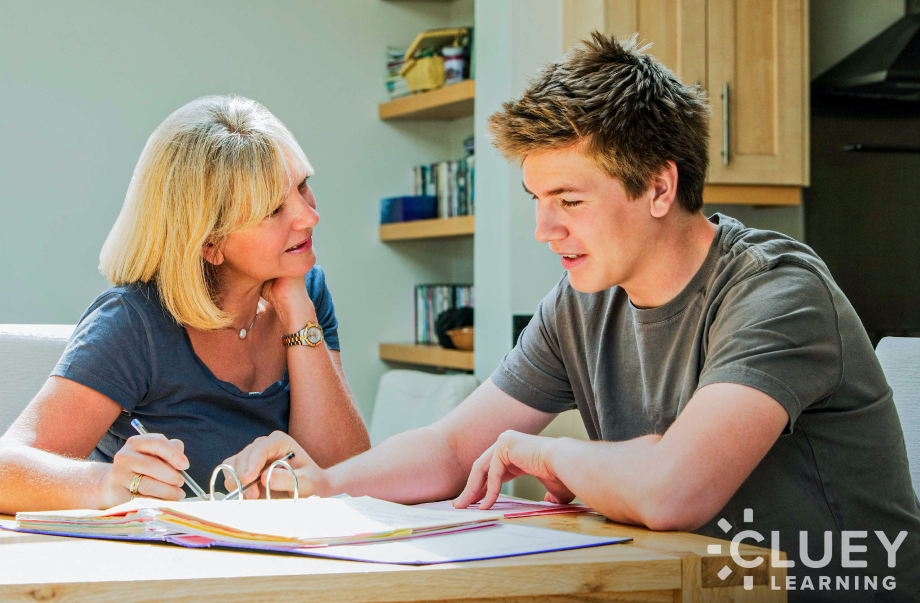
New research reveals how senior students and their parents handled the home learning period
Over 90 per cent of Australian senior students agree that the recent disruption to normal schooling was stressful. More than one in four admit it was “one of the most stressful experiences of my life”, according to new research from Cluey Learning.
Students revealed they find COVID-19 more stressful than global and local politics, friendship pressures, family issues, body image and health concerns. Alongside this, almost 60 per cent of senior student parents have been worried about their child’s mental health during COVID-19.
Study habits have also been affected, with the majority of students admitting they are “studying less” as a result of COVID-19.
Cluey Chief Learning Officer, Dr Selina Samuels said:
"The class of 2020 are under enormous pressure, and it's understandable that their study is being impacted. But this is a unique opportunity for senior students to build resilience by learning how to manage their stress. If students can adapt to these changing circumstances, they'll find that not only do they have a brilliant story to tell during interviews, but that they'll approach everything else in life with just a little more confidence. And remember that students will only be compared with one another in the same year, and they have all been impacted."
As school restrictions start to ease across Australia, online tutoring company Cluey Learning is releasing insights from its research series which detail the impact of homeschooling in a time of COVID-19. Research findings from the parents of primary school students are available here:
Part 1: The real impact of home learning: https://
Part 2: What at-home learning has taught Australians: https://
Additional senior student insights:
- Over 50% of parents of senior students say the disruptions to normal schooling have negatively impacted their child’s ability to study and learn
- More than one in three parents are convinced their child’s results will suffer because of this period
- One in three parents said their child spent over four hours on learning/education per day at home
- 28% said their child spent 3 - 4 hours
- 18% ensured their child followed the schedule of a normal school day
- 16% said their child spent a couple of hours
- 2% dedicated one hour to learning/education per day
More than half of students said they find at-home learning “difficult” compared with learning at school. Almost 50 per cent said they were considering or planning to engage additional learning support e.g. online tutoring on top of what their school was providing. The majority agreed this was because they needed more 1-to-1 support.
“Most senior students love being online and find the tech easy, but I suspect students have struggled with the frequency and immediacy of teacher feedback. Direct connection between a student and educator is key to effective learning, especially for Year 12 students.”
“The lead up to ATAR exams can feel very lonely. Many students feel that all they can do is go over and over their notes on their own. But that kind of repetition of familiar material makes students passive learners and breeds boredom. The trick to this final study stretch is to maintain your interest and to keep finding new ways to approach the same content. A tutor can help keep your study more lively in the final stretch and ensure no question goes unanswered,” Dr Samuels continues.
In positive news:
- Over 60% of parents have become more familiar with their child’s subjects or texts during this period
- Over 50% of parents agree that no commuting is the biggest advantage of online learning
- Over 50% of students say “being at home” is what they like most about online learning, followed by the flexibility (34%) and the fact that it is more focused (10%)
For further research insights and guidance on maintaining continuity of learning, follow https://clueylearning.


